If your GCSE exams are coming up and you’re thinking “I don’t even know where to start” — you’re not alone.
Most students feel overwhelmed at this stage. There’s a lot to cover, not enough time, and it’s hard to know what actually works.
That’s exactly why a simple 4-week plan can help. Instead of trying to do everything at once, you focus on the right things at the right time.
Week 1: Figure Out What You Don’t Know
Before you start revising properly, take a step back.
Ask yourself:
- What topics do I avoid?
- Where do I usually lose marks?
- What feels confusing right now?
You don’t need to be perfect—you just need to be honest.
Maybe you’re fine with Biology but struggle with algebra. Maybe Physics calculations always trip you up. That’s your starting point.
Spend this week:
- Focusing on weak areas
- Making simple notes (not rewriting entire chapters)
- Breaking down topics into manageable parts
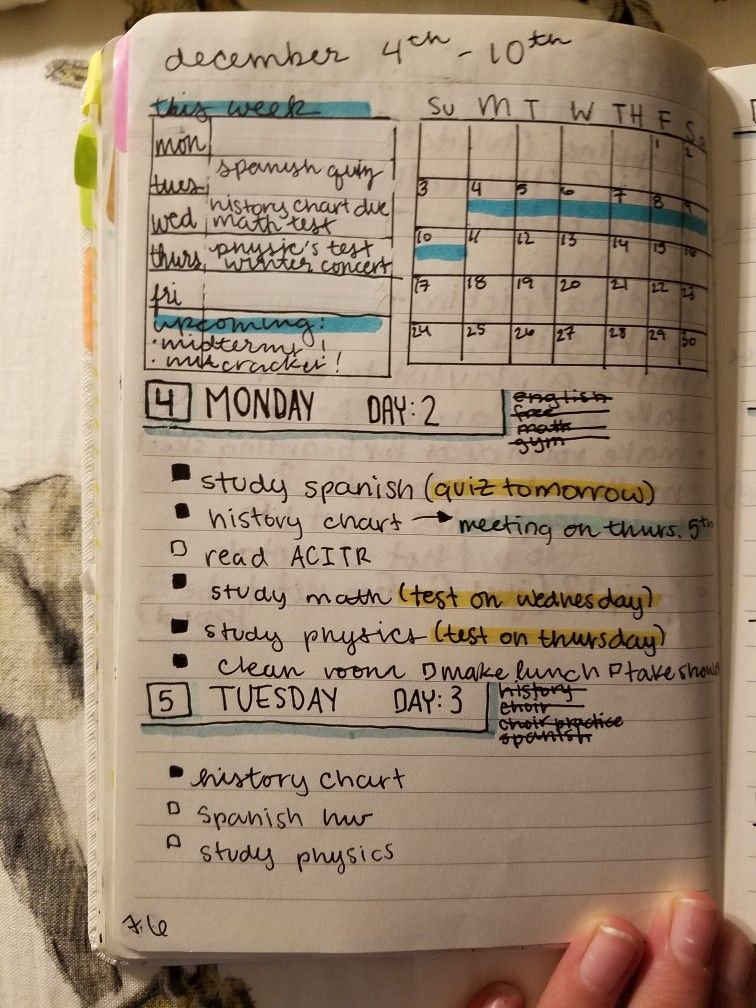
Week 2: Start Practising (Even If You’re Not Ready)
A lot of students wait until they “fully understand” a topic before attempting questions. Don’t do that.
Start practising as you learn.
- Revise a topic
- Immediately try exam questions on it
You’ll probably get things wrong—and that’s the point.
Mistakes show you exactly what needs work. Fixing them is how you improve.
Week 3: Get Used to Exam Mode
Now it’s time to treat this like the real thing.
- Do full past papers
- Time yourself properly
- Don’t use notes
This might feel uncomfortable at first. That’s normal.
But this is where you:
- Learn how to manage time
- Stop panicking under pressure
- Understand how questions are actually asked
After each paper, go through your mistakes carefully. That’s where most of your progress will come from.
Week 4: Don’t Panic—Just Sharpen
This last week is not about cramming everything.
It’s about reinforcing what you already know.
Focus on:
- Key formulas and definitions
- Topics you’ve already revised
- Questions you got wrong before
Keep your sessions shorter. Stay calm. At this point, confidence matters just as much as knowledge.
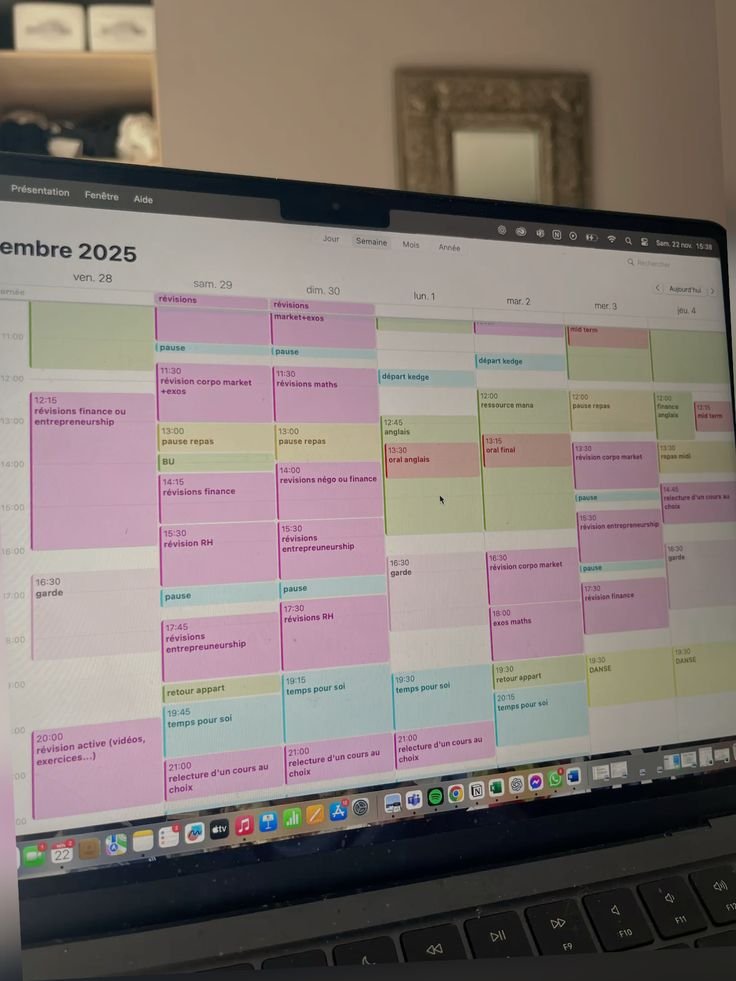
What Your Day Could Look Like
You don’t need a perfect timetable—just a simple structure:
- Morning: Hardest subject/topic
- Afternoon: Practice questions or past papers
- Evening: Light revision (flashcards, quick review)
And please—take breaks. You’re not a machine.
A Few Things to Remember
- You don’t need to know everything—you need to know what comes up
- Active recall > rereading notes
- Doing questions > just “understanding”
- Consistency > last-minute cramming
Even a few focused hours a day can genuinely change your grades over 4 weeks.
You’re Not Behind
If you feel like you started late, that doesn’t mean you’ve failed.
A lot of students improve the most in these final weeks—because they finally start revising the right way.
If You Need Extra Structure
Let’s be real—staying consistent on your own is hard.
If you’re struggling with:
- Knowing what to revise
- Sticking to a plan
- Applying knowledge in exams
Getting the right support can make things much easier.
Educate Cloud’s small group sessions are designed for exactly this stage—helping you focus on key topics, practise properly, and go into exams feeling prepared.